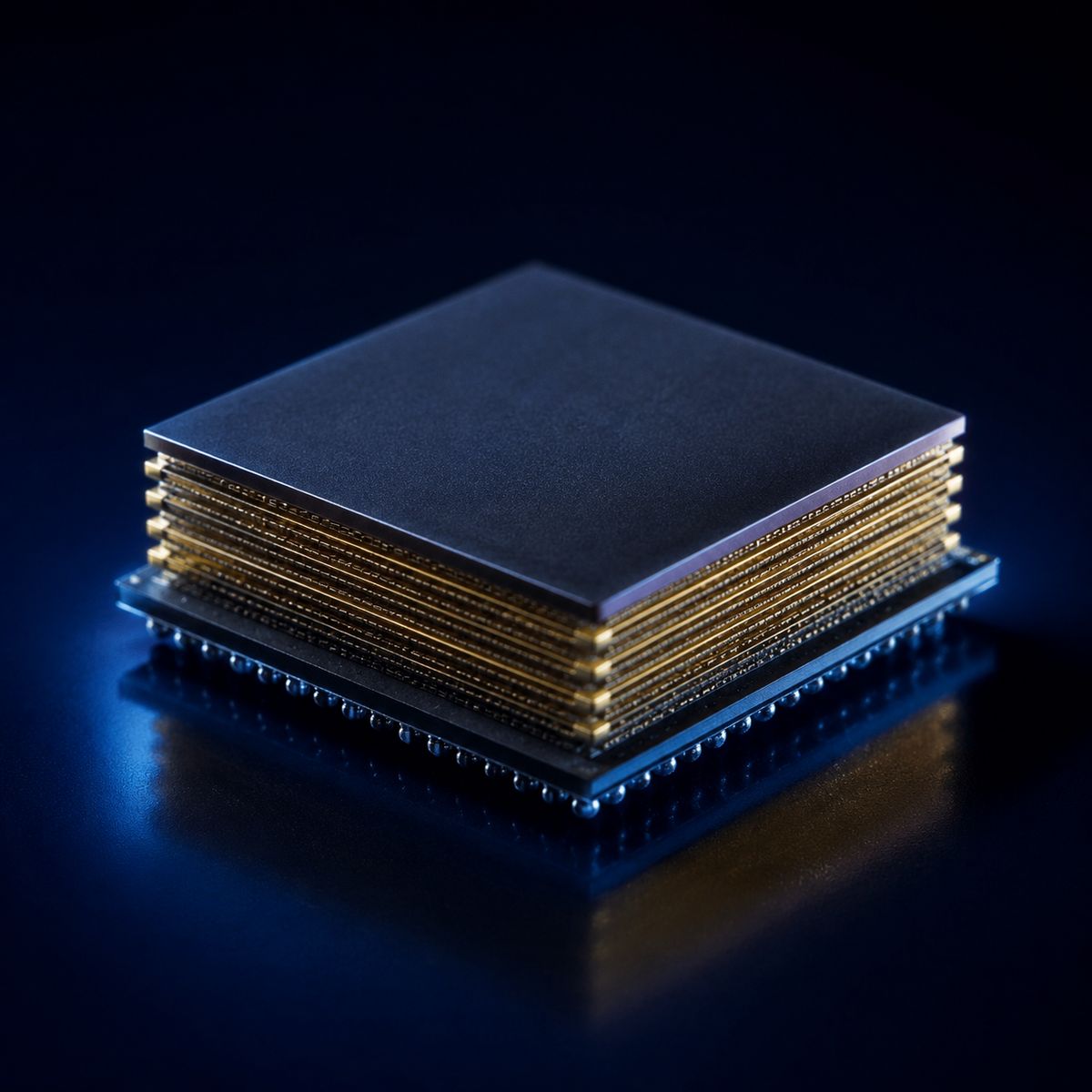
Global tech giants, the hyperscaler tech bros spending hundreds of billions on AI infrastructure, are so desperate to secure memory chip supply that they've started offering to directly fund SK Hynix's production lines. One proposal involved customers financing purchases of ASML's machines. These machines cost hundreds of millions of dollars each. Customers offered to buy them for SK Hynix. Just to get dibs on allocation.
This has never happened before in the memory chip industry. Six Reuters sources called it unprecedented.
SK Hynix's response? Nah…. we are good.
Not because the money isn't attractive. Because their capacity is so constrained that even with customer financing there's nothing to allocate. One source told Reuters directly: "Available capacity is essentially zero right now. There isn't even a small portion that can be designated for a specific customer."
Think about that. Customers offering to pay for your factory and you still have to say no.
What AI tech bros are actually offering
The proposals on the table include investing in dedicated SK Hynix production lines, financing ASML EUV machine purchases, prepaying 30-40% of contract value upfront, and signing binding multi-year deals with price-band mechanisms that eliminate quarterly price negotiations.
This is what desperation looks like RN in 2026 for hyperscalers. These are trillion-dollar companies doing things memory chip customers have never done because normal procurement processes have completely broken down.
Microsoft disclosed on their earnings call that capital expenditures are rising to $190 billion this year, with $25 billion specifically attributed to rising chip component costs. That's not a private complaint. That's a public earnings disclosure. The CFO of Microsoft is telling shareholders that memory costs are moving their capex numbers.
Why SK Hynix had to say no
Here's the part that doesn't get enough attention. SK Hynix isn't rejecting these offers because they're bad deals. They're saying no to them because accepting customer funding would tie them to specific buyers and potentially force below-market pricing in exchange for financing. Essentially losing leverage in pricing power.
In other words, SK Hynix believes spot pricing for HBM is going to be higher than anything a customer would agree to lock in today. They're turning down guaranteed revenue to preserve pricing optionality.
That is a level of supplier confidence I've never seen reported in any commodity industry, let alone memory chips. Even high interest loans to fund the build outs would make more sense for them.
The Samsung strike in this context
I wrote yesterday about Samsung workers rejecting a $340,000 bonus because they believe the supercycle is here to stay for a while. Now we have Reuters reporting that customers are offering to fund SK Hynix's factories and still can't get allocation.
Same week. Two event with data points. One from inside the fabs, one from the customers outside. Both saying the same thing: this isn't a normal cycle and everyone is forced to buy memory like drug addicts on drugs. It’s certainly a good problem for the Samsung and Sk Hynix execs. to have.
SK Hynix and Samsung have both publicly said the shortage will persist because it will take time to build capacity to meet what they're calling "structural growth" in AI demand. Not cyclical. Structural with inelastic demand.
When the supplier's workers, the supplier's management, and the supplier's customers are all independently reaching the same conclusion, that's not a narrative. That's a consensus forming around a reality.
What I'm watching
SK Hynix is building a new fab in its Yongin complex in South Korea focused on DRAM. The article mentions customers pitched offers specifically tied to the first phase of this facility. Be on the lookout for the construction timeline and capacity ramp announcements from this fab, that's our leading indicator for when supply relief actually arrives.
Until that capacity comes online, the answer to "ya’ll got anymore allocation" remains what it is today: essentially zero.

I hold a long position in DRAM ETF (ticker: DRAM). Not investment advice. Do your own research.

My current positions as of May 9, 2026. With a SNDK put expiring and premium collected